
Polyurethane (PU) is far more than just a plastic; it is a versatile polymer that has revolutionized the concept of technical seating. In high-traffic environments—such as airports, hospitals, and modern offices—the choice of material determines not only the aesthetic appeal but also the product’s lifespan and the user’s well-being.
The Science of Density: Ergonomic Comfort in Padding
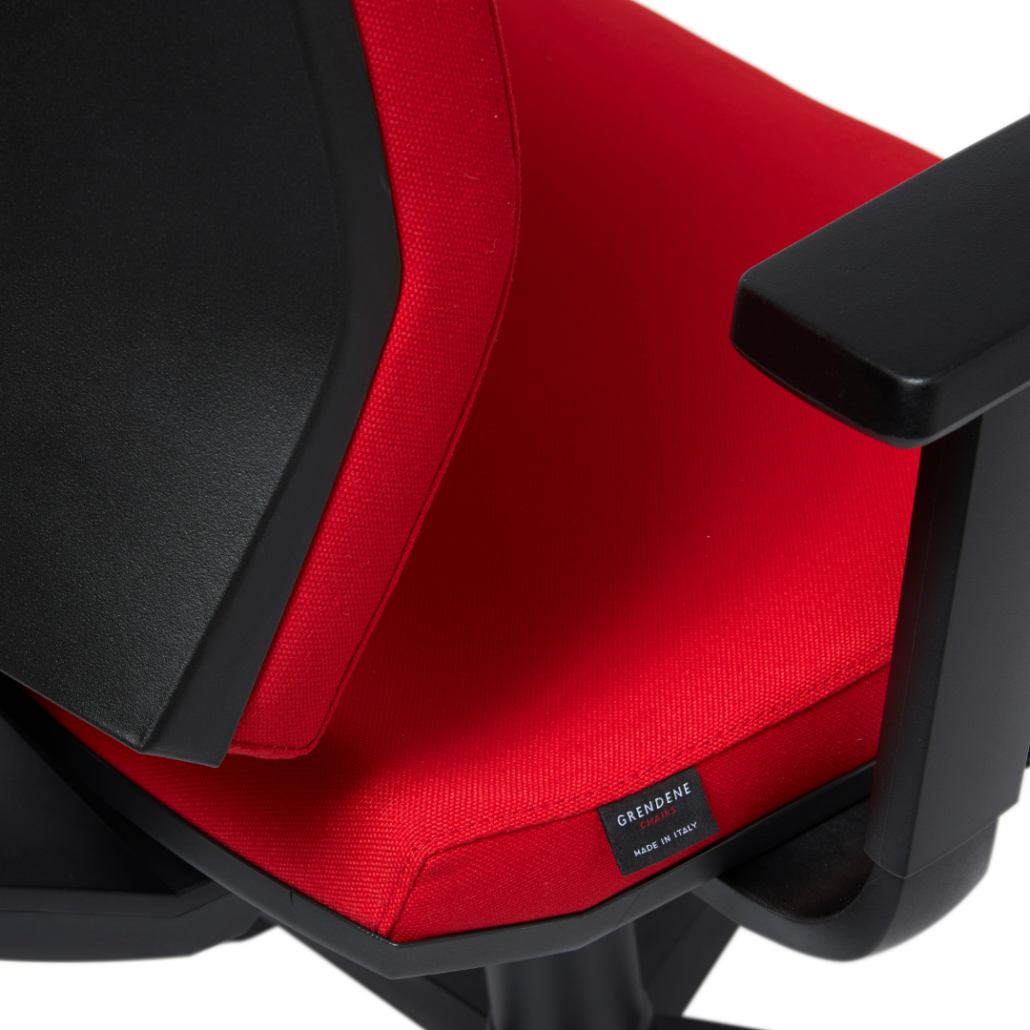
In professional seating, comfort is not synonymous with “softness” but with correct support. Polyurethane, particularly in its cold-molded foam version, allows for designs that follow the body’s contours with a precision that is difficult to replicate with other materials.
The open-cell structure of polyurethane seating allows it to act like a high-viscosity fluid. The material absorbs the user’s weight by distributing pressure across the entire contact surface, preventing capillary occlusion and fatigue even after many hours of sitting. During production, the polymer’s density can be varied at specific points. This means a chair can feature a softer front edge to avoid compressing the popliteal fossa (the area behind the knee) while maintaining a firmer, more reactive lumbar zone that actively supports the natural curvature of the spine.
Furthermore, modern polyurethane is engineered to minimize heat buildup and ensure high elastic return. Unlike budget padding that suffers from permanent deformation, high-quality polyurethane maintains its original thickness, ensuring the ergonomic setup remains unchanged for years.
Durability in High-Traffic Environments
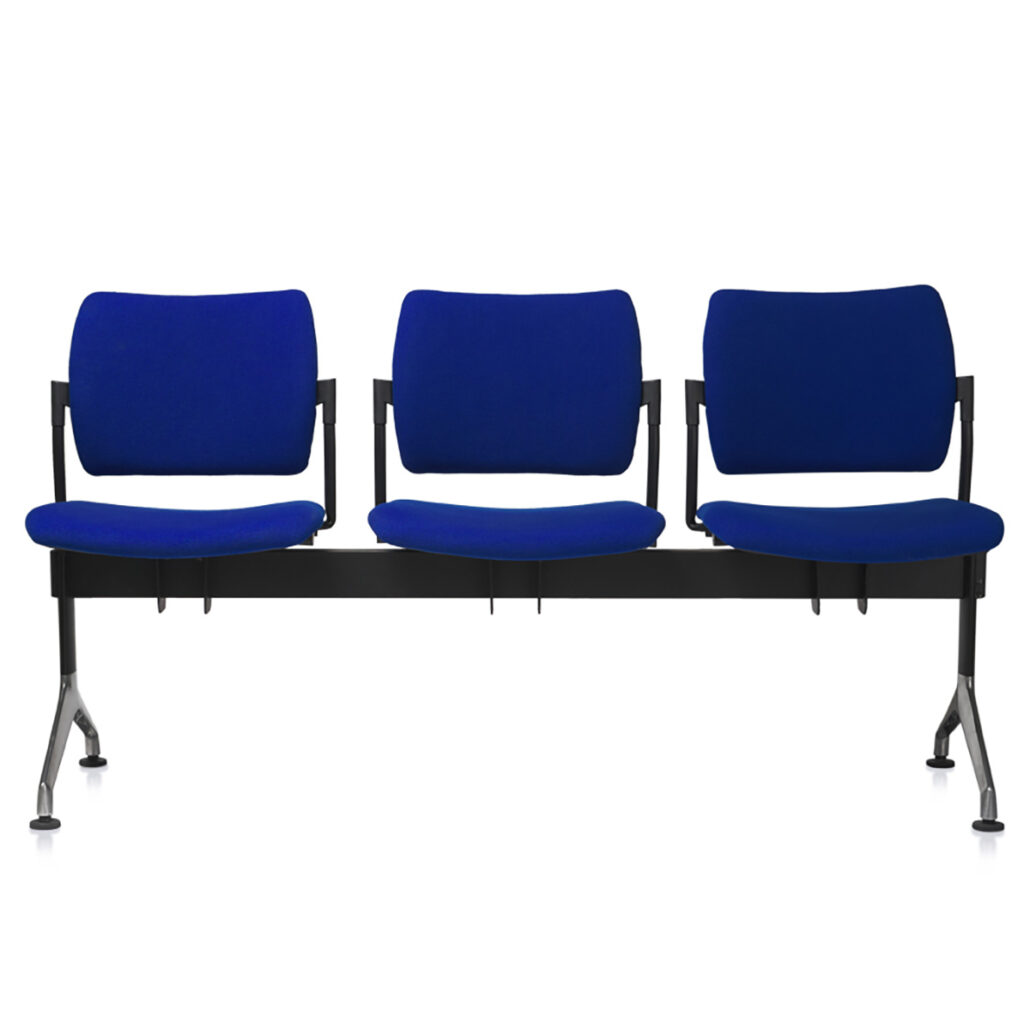
In public areas, waiting rooms, and industrial settings, seating is a capital good subjected to extreme stress cycles. In these contexts, polyurethane—especially the integral skin version—is the superior choice due to its unique technical characteristics.
Integral polyurethane features a dense, waterproof surface layer that forms during the molding process. This makes it immune to liquids, oils, and acids, preventing the proliferation of fungi and bacteria inside the shell—a massive competitive advantage over fabric-upholstered chairs in healthcare or airport settings.
Additionally, in high-traffic areas where the risk of cuts, scratches, and impacts is constant, polyurethane chairs are inherently resistant to abrasion. Their structure prevents surface nicks from spreading, preserving the structural integrity of the product over time.
Ready-to-Use Design: Aesthetics and Functionality for the Designer
For architects and interior designers, selecting a chair from the Grendene catalogue is a matter of technical reliability as much as style. Our polyurethane solutions are designed to integrate immediately into any professional or public context, guaranteeing a consistent quality standard.
Unlike upholstered products that may wear out or stain, our polyurethane seating offers an aesthetic performance that remains unchanged. This allows the designer to deliver a project that maintains its original appearance even after years of intense use. Moreover, thanks to their clean lines and the variety of colours available in our catalogue, our chairs are designed to complement diverse architectural styles, from modern minimalism to functional healthcare environments.