
Selecting the appropriate seating for a dental practice or clinic is far from a purely aesthetic consideration; it is a critical decision impacting daily operational efficiency, hygiene safety, and the long-term well-being of both staff and patients.
Seating requirements in healthcare environments are significantly more stringent than those of a typical office setting. A dental surgery is a high-intensity clinical environment: professionals often work for hours in asymmetrical positions, in close contact with chemical disinfectants, and seating surfaces are subject to direct contamination.
Correctly designed dental practice furniture must simultaneously guarantee ergonomic support for the professional, ease of thorough sanitisation between appointments, and durability over time, despite constant contact with commonly used disinfectants.
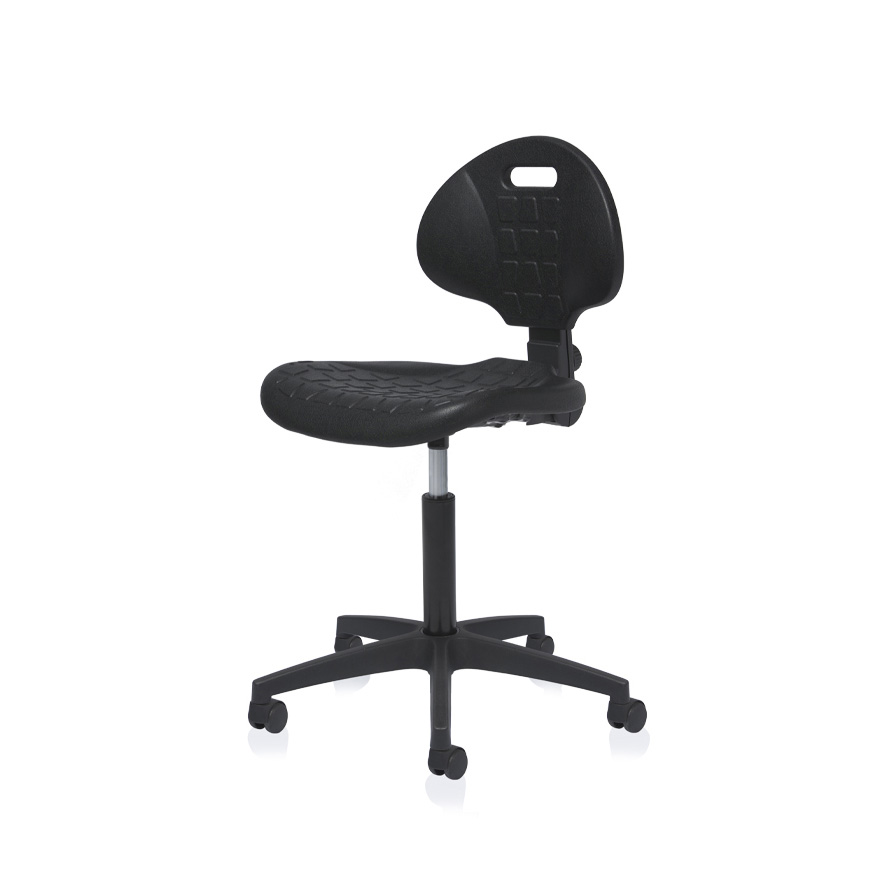
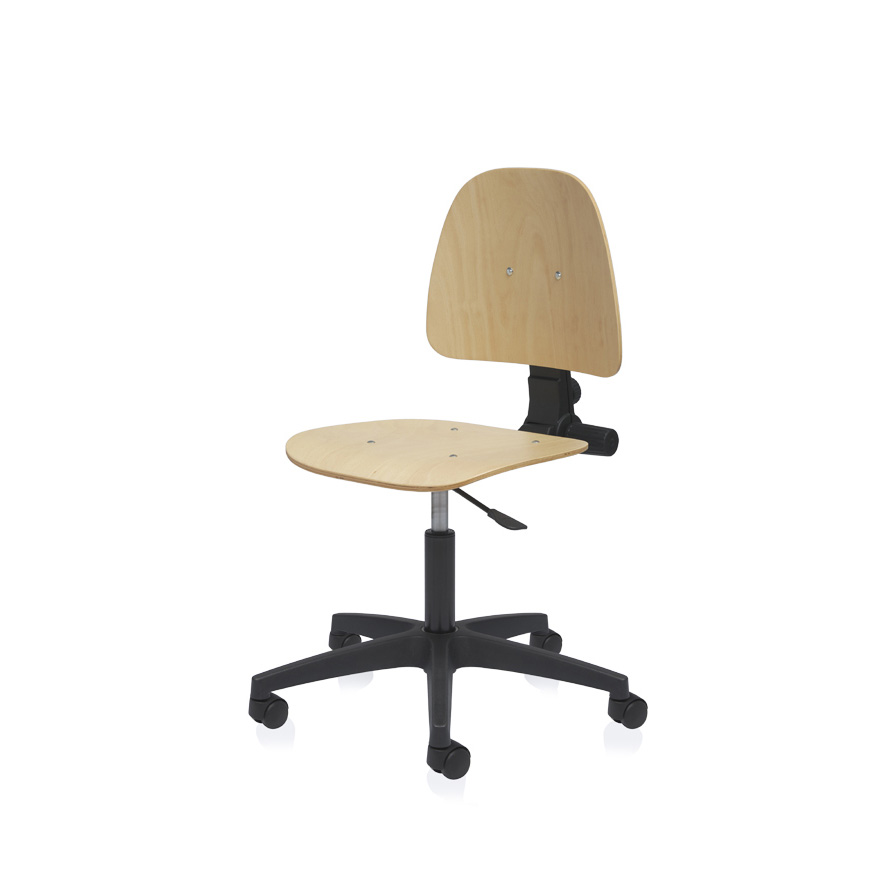
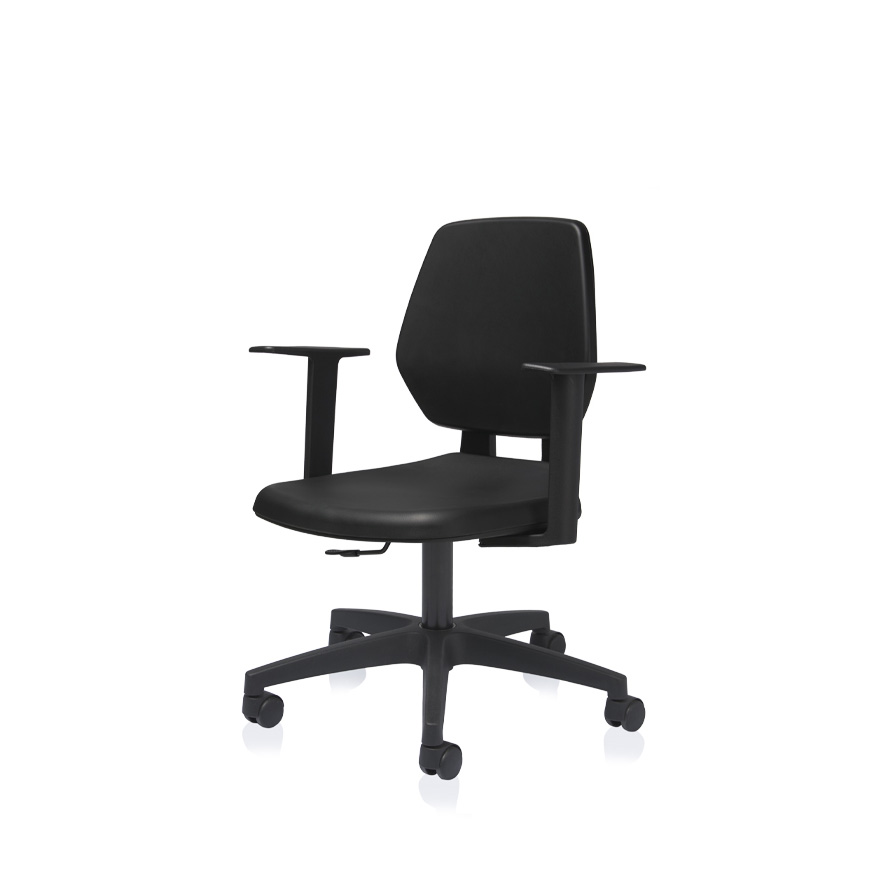
Operator Stools with Castors: Mobility and Postural Control
A dental surgeon works in a dynamic posture all day: leaning, shifting position, and operating with arms raised. A professional stool must facilitate and support these movements without constraint.
Postural Support: Our seating is designed with anatomical shapes that distribute weight effectively, preventing the back fatigue commonly experienced at the end of the day.
Freedom of Movement: Stable bases and castors specifically designed for medical-grade flooring ensure smooth, safe movement around the dental unit.
Our Selection
Sanitisable Upholstery: Making the Right Choice and Understanding Why
The upholstery is the most critical component in a healthcare setting. It must withstand daily sanitisation with aggressive chemical agents without degrading, developing cracks that harbour bacteria, or losing its professional appearance.
In a dental clinic, hygiene is the absolute priority. However, aggressive disinfectants can easily damage common materials, creating micro-fissures where bacteria can proliferate. Consequently, when partnering with clinical professionals, we recommend upholstery and components specifically selected for their resistance to repeated cleaning cycles. This is not simply a matter of European compliance, but of practical durability; these materials are high-quality, clinical-grade, and disinfectant-resistant. This prevents crack formation, ensuring the seating remains a safe, effective barrier that is easy to cleanse between patient appointments.
Configuring the Right Solution for Your Dental Surgery
There is no single universal solution; the ideal configuration depends upon the practice layout, the number of clinical staff, the budget, and the usage frequency.
For the Dental Practitioner: Stools featuring a permanent contact backrest are recommended, as they follow the back through all angles of inclination.
For the Dental Assistant: Agile seating options that are quick and simple to adjust are ideal, supporting the various phases of clinical procedures.
For the Multi-Surgery Clinic: Investing in coordinated collections from a comprehensive catalogue ensures a professional visual identity and simplifies long-term maintenance.