
Selecting the right commercial office seating is far more than a decorative or budgetary decision: it is a strategic choice that directly influences employee health, workplace productivity, and corporate identity.
In commercial furniture specification, the primary distinction lies between task chairs (operational seating) and executive chairs (presidential seating). While both serve to seat users at a desk, their internal engineering, material science, tilt kinematics, and primary functional objectives differ significantly.
Understanding these technical distinctions is essential for facility managers, procurement directors, and commercial interior designers seeking to optimize budgets and properly equip workstations based on actual operational demands.
The Task Chair: Ergonomic Engineering for Intensive Computer Work
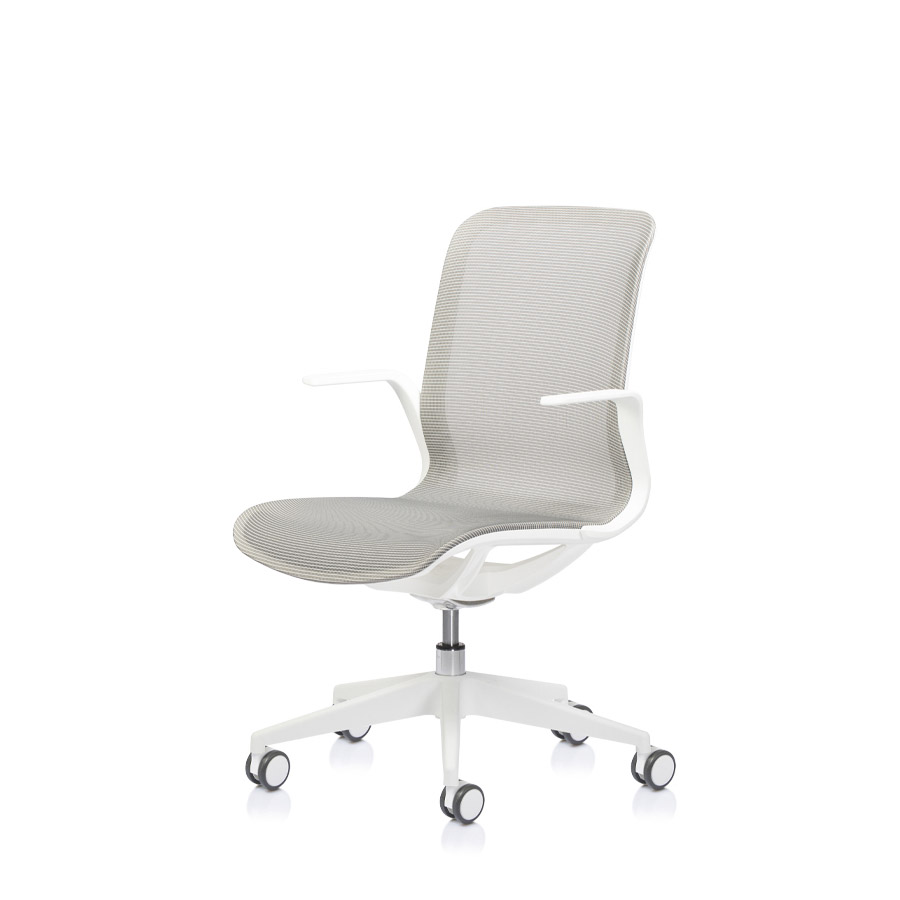
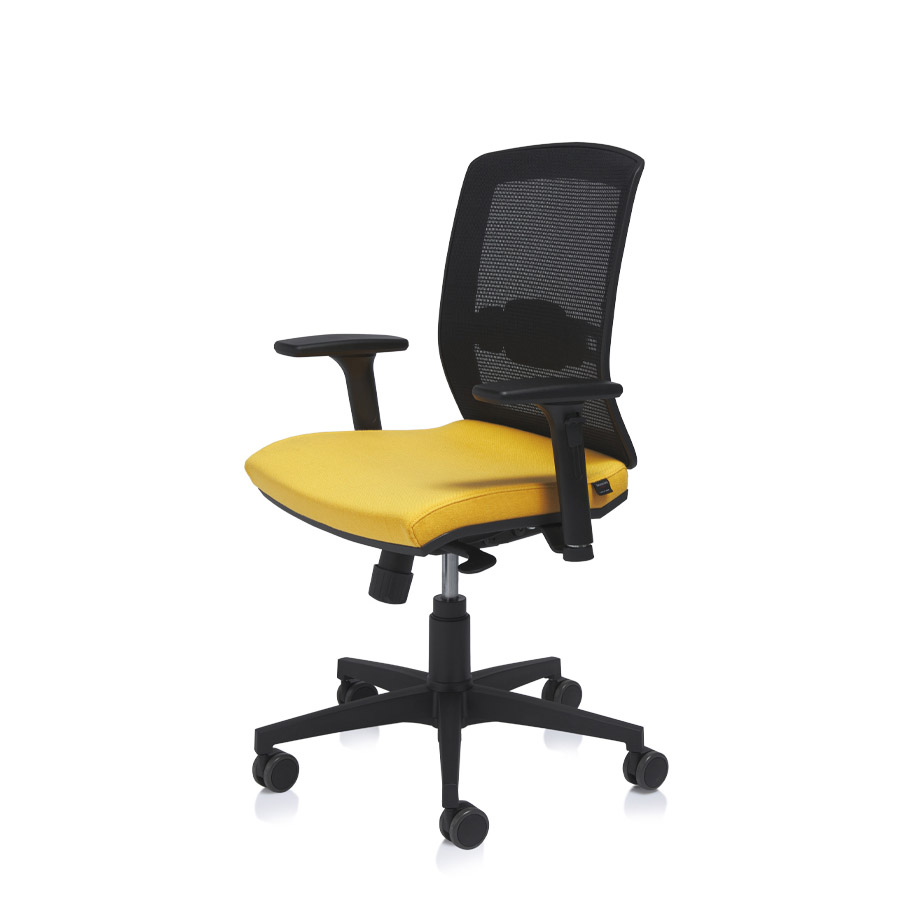
The task chair is the workhorse of the modern office environment. Engineered for computer-bound professionals (video display terminal workers), this category prioritizes active ergonomics, thermal breathability, and extensive adjustability.
Key Technical Specifications:
- Adaptive Kinematics (Synchro & Weight-Activated Mechanisms): Commercial-grade task chairs feature synchronized tilt mechanisms that allow the seat and backrest to recline in a coordinated ratio (typically 1:2). This biomechanical movement follows pelvic rotation, preventing abdominal compression during recline.
- Adjustable Lumbar Support: Crucial for preventing occupational musculoskeletal disorders (MSDs), height- and depth-adjustable lumbar support maintains natural spinal lordosis.
- High-Breathability Mesh & Textiles: Backrests frequently utilize high-tenacity technical mesh. This material provides self-adjusting support while promoting continuous airflow, preventing heat retention during long, uninterrupted shifts.
- Multi-Dimensional Armrests: Task armrests are key ergonomic tools rather than passive elements. They should offer 2D, 3D, or 4D adjustments (height, depth, width, and pivot angle) to support forearms at a 90° angle, relieving tension from the shoulders and upper trapezii.
- Regulatory Compliance: Professional task chairs must comply with strict dimensional, stability, and durability standards to ensure safety during intensive 8-hour daily use.
The Executive Chair: A Synergy of Status, Comfort, and Prestige
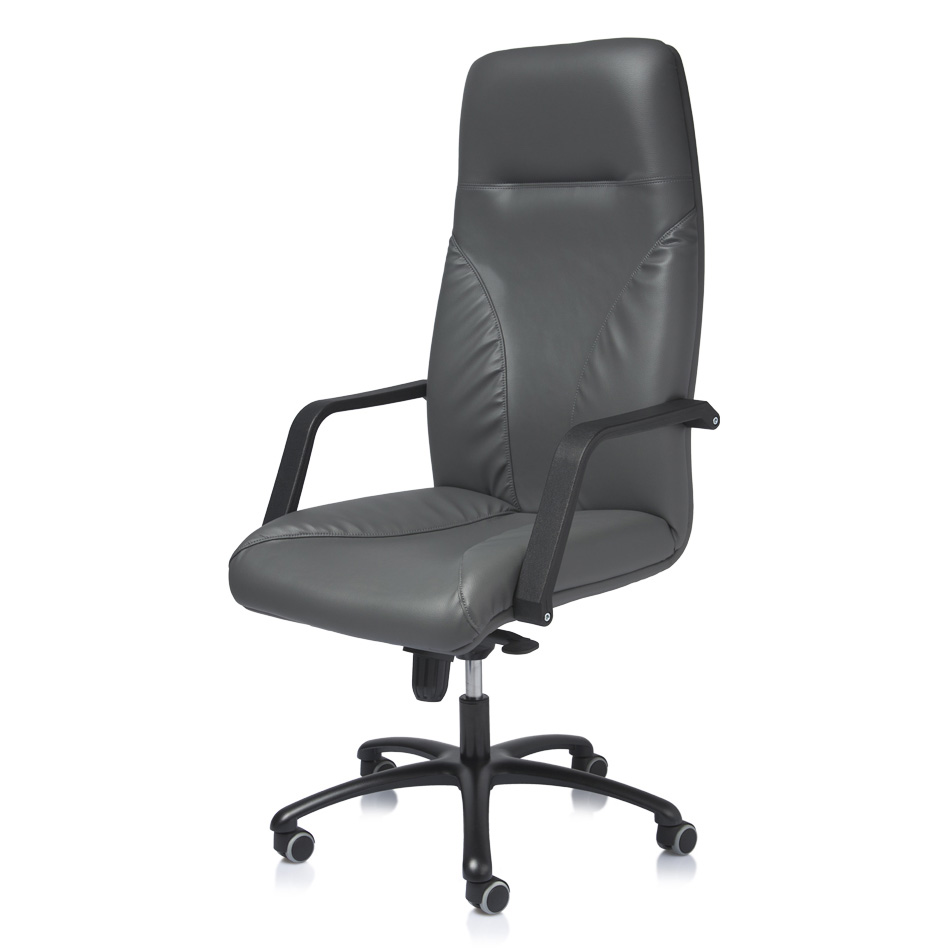
The executive (or presidential) chair is designed to outfit C-suite offices, executive suites, and corporate boardrooms. In these settings, seating must serve a dual purpose: provide high-level comfort during varied executive tasks (from reviewing reports to hosting meetings) and communicate corporate authority and prestige.
Key Technical Specifications:
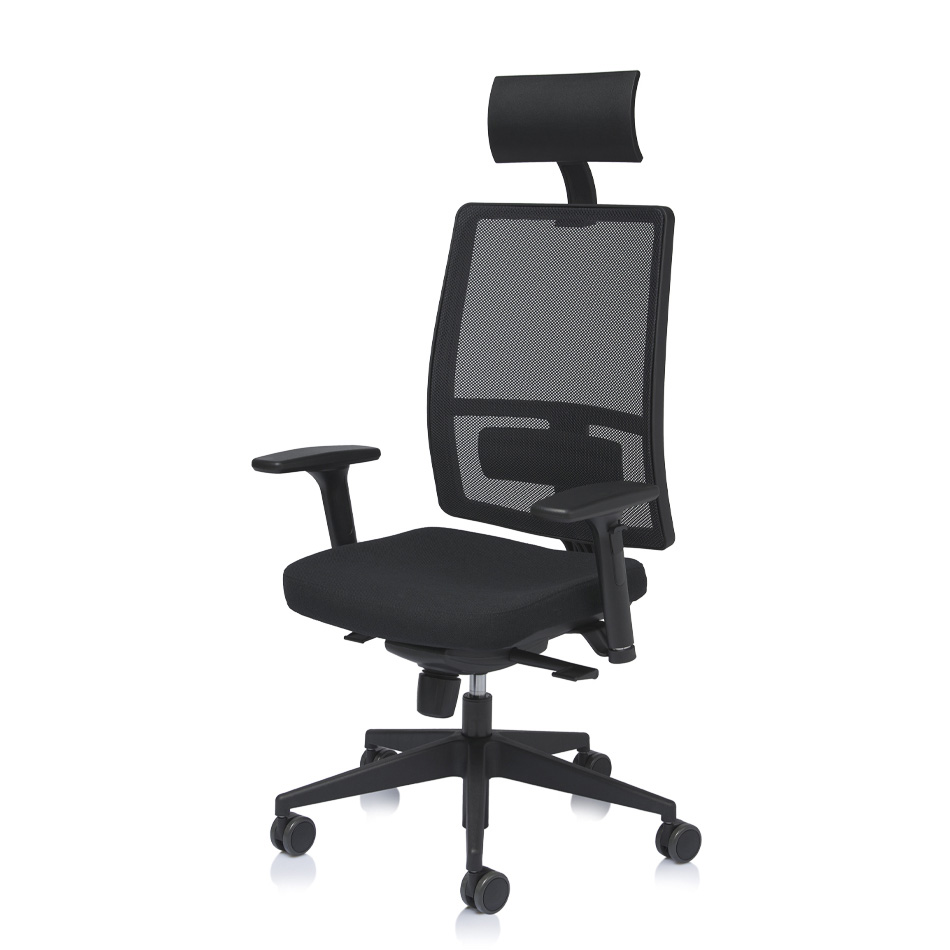
- Generous Proportions & Visual Impact: Compared to task chairs, executive seating features high backrests (often with integrated headrests) and broader contours. The silhouette is commanding, designed to anchor the executive office space.
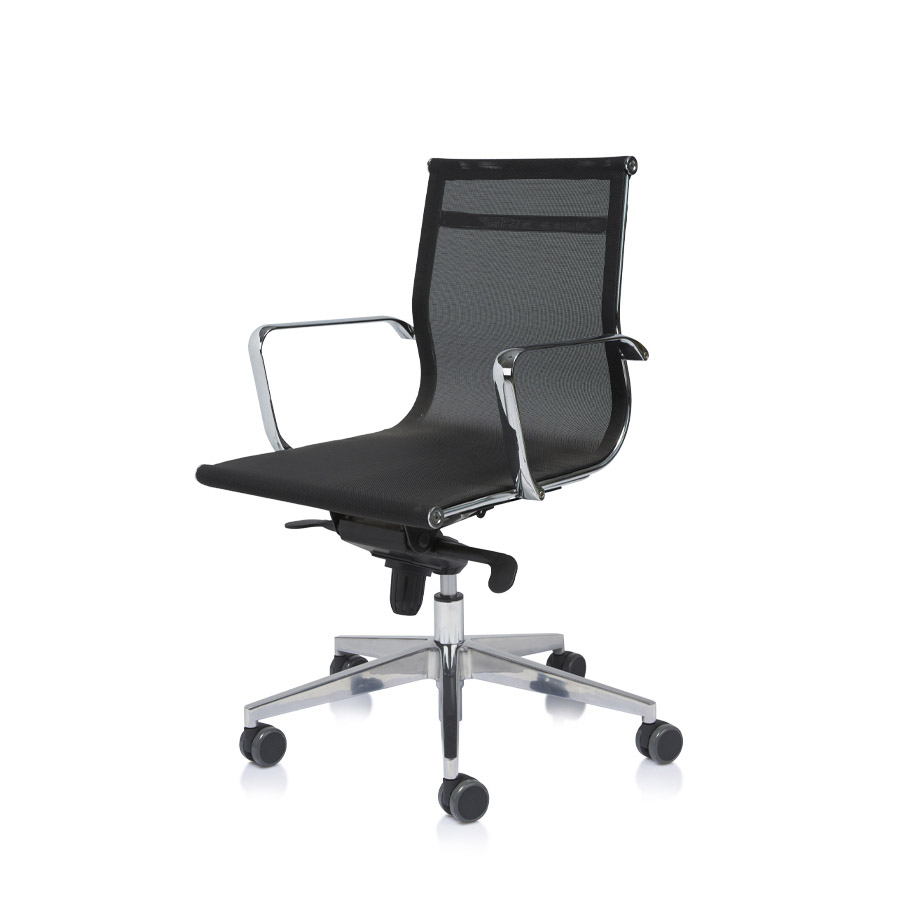
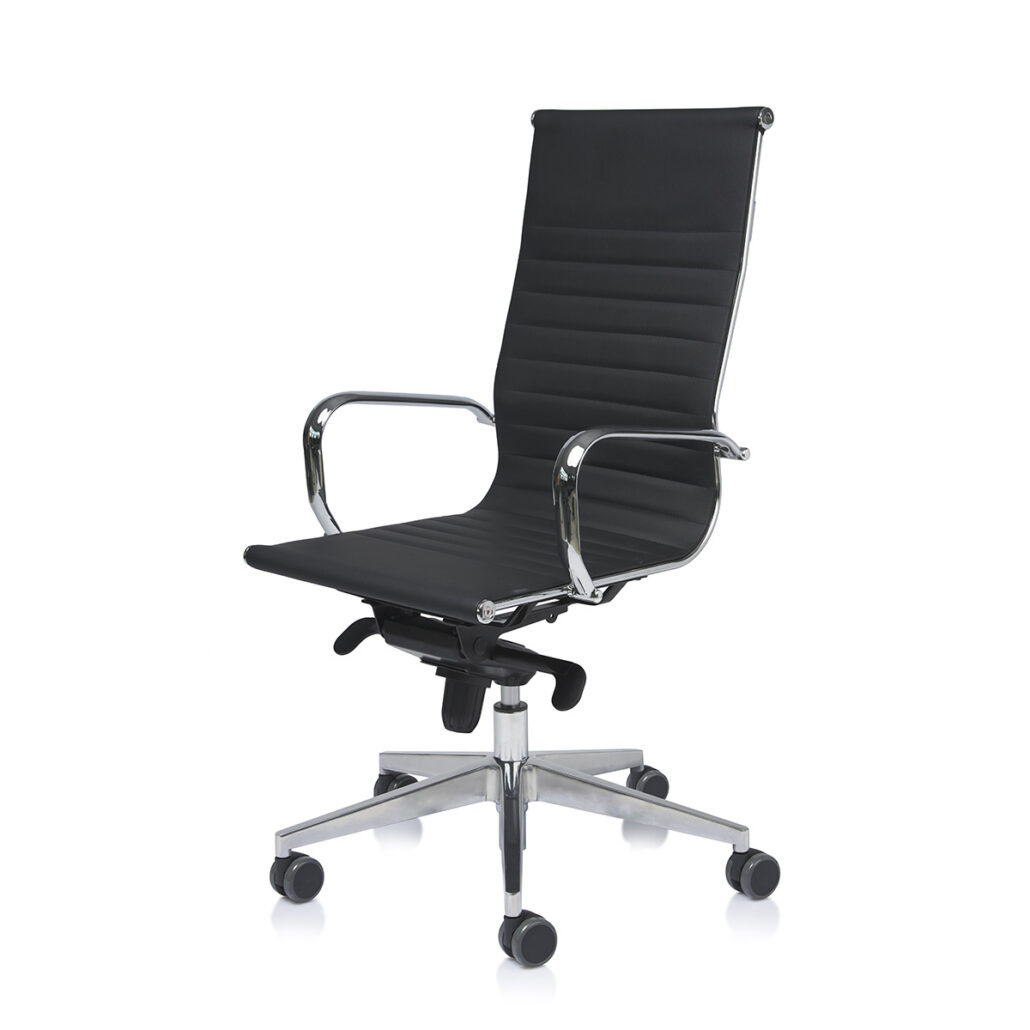
- Premium Materials & Tailored Upholstery: Internal frames frequently feature polished aluminum, chrome, or brushed steel accents. Cushioning is predominantly constructed from high-density, cold-cured molded polyurethane foam—an indeformable material—upholstered in full-grain leather, premium faux leather, or heavy-duty technical textiles with bespoke stitching.
- Relaxed Recline Kinematics (Knee-Tilt / Multi-Block Systems): While task chairs encourage an active, forward-leaning posture, executive chairs utilize knee-tilt or multi-block reclining mechanisms. These allow a fluid, rocking recline with multi-position locking, enabling smooth transitions between focused work and relaxed conversation.
- Integrated Sculptural Lines: Executive armrests are often integrated directly into the seat structure or molded shell, prioritizing cohesive aesthetics and structural continuity over multi-axis mechanical adjustments.
Professional Specification: Selecting the Right Seating
Misspecifying office seating carries risks: choosing non-ergonomic chairs for intensive computer work can lead to workplace injury claims, while outfitting executive suites with lightweight task seating can dilute a company’s brand image.
An informed corporate procurement strategy goes beyond catalog browsing to analyze:
- Actual daily seated hours per user role.
- Task orientation (continuous computer operation vs. reading, hosting, and strategy sessions).
- Architectural context and brand values communicated to visiting clients and partners.
With decades of experience in designing and manufacturing commercial seating, our technical team is available to assist specifiers, architects, and corporate buyers in selecting the optimal chair models, mechanisms, and finishes for every zone of the modern workplace.